Eight points to consider when building software for non-profits in Africa
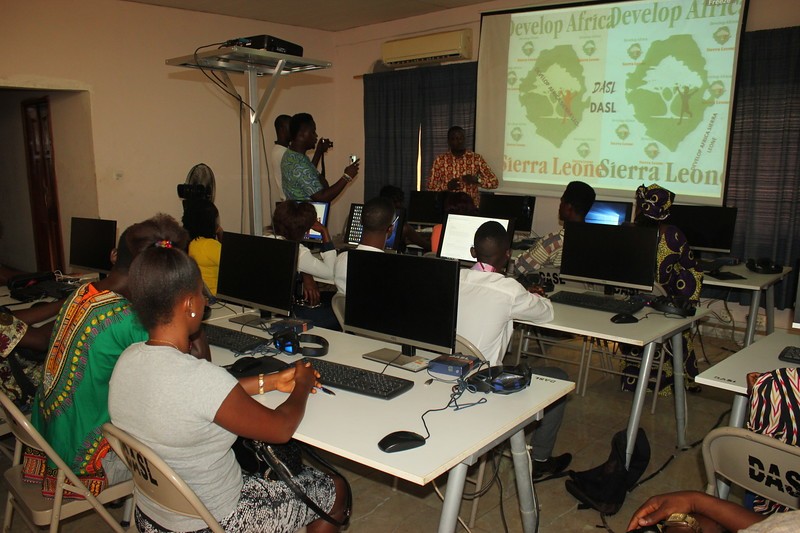
The world is firmly in the hands of technology. From government operations to business transactions, major tasks entirely rely on technology. This is no different from sectors such as non-profits and non-governmental organizations.
Software has eaten the world.
In the West, technology for non-profit and other non-governmental organizations is already solidly adopted. Software for donations and accounting, especially for non-profits, along with other online tools, is not uncommon in the West.
The story is different in Africa.

Life Hacker: A person operating a PC.
The continent heavily relies on these technologies that do not account for Africa's special needs and circumstances. This has ensured slow growth in the non-profit tech in Africa.
There is no need to reinvent the wheel. However, exceptional circumstances would enable non-profit tech to work in Africa. It would be presumptuous to assume that any software would work well in the various cases on the continent.
The continent is already witnessing significant growth in software engineering, with countless companies raising millions of dollars. The grade of software engineers has also grown over time, and it would be appropriate for local engineers to build for the local context.
It is the owner of the shoe who knows where it pinches. Homegrown innovation can solve African challenges.
Here are eight points to consider when building software for African non-profits.

Photo by UX Indonesia on Unsplash
In an ideal situation, creating software for general use by almost all non-profits could be a great advantage. Sometimes, this feat is hard to achieve since every organization has its own specific needs. Thorough research is needed to determine what common need runs within the non-profit sector if a general solution is in the offing.
Suppose a particular organization needs a specific tool. In that case, it must determine how to design the solution according to the company's needs, simplify task performance, and achieve organizational goals.
Internet and telecom coverage are not yet universal in most parts of Africa. Developers and software engineers need to incorporate an offline mode for their applications to be suitable for non-governmental organizations, which usually work in far-flung areas.
Nonprofits in Africa work closer to their target audience, which means they are spread across regions. The low-income regions might lack connectivity due to sparse populations or because telecom companies disregard these areas when considering their return on investment.
If the software can either collect data or sync the database when the network is available, it will enable work to continue regardless of the network's availability.
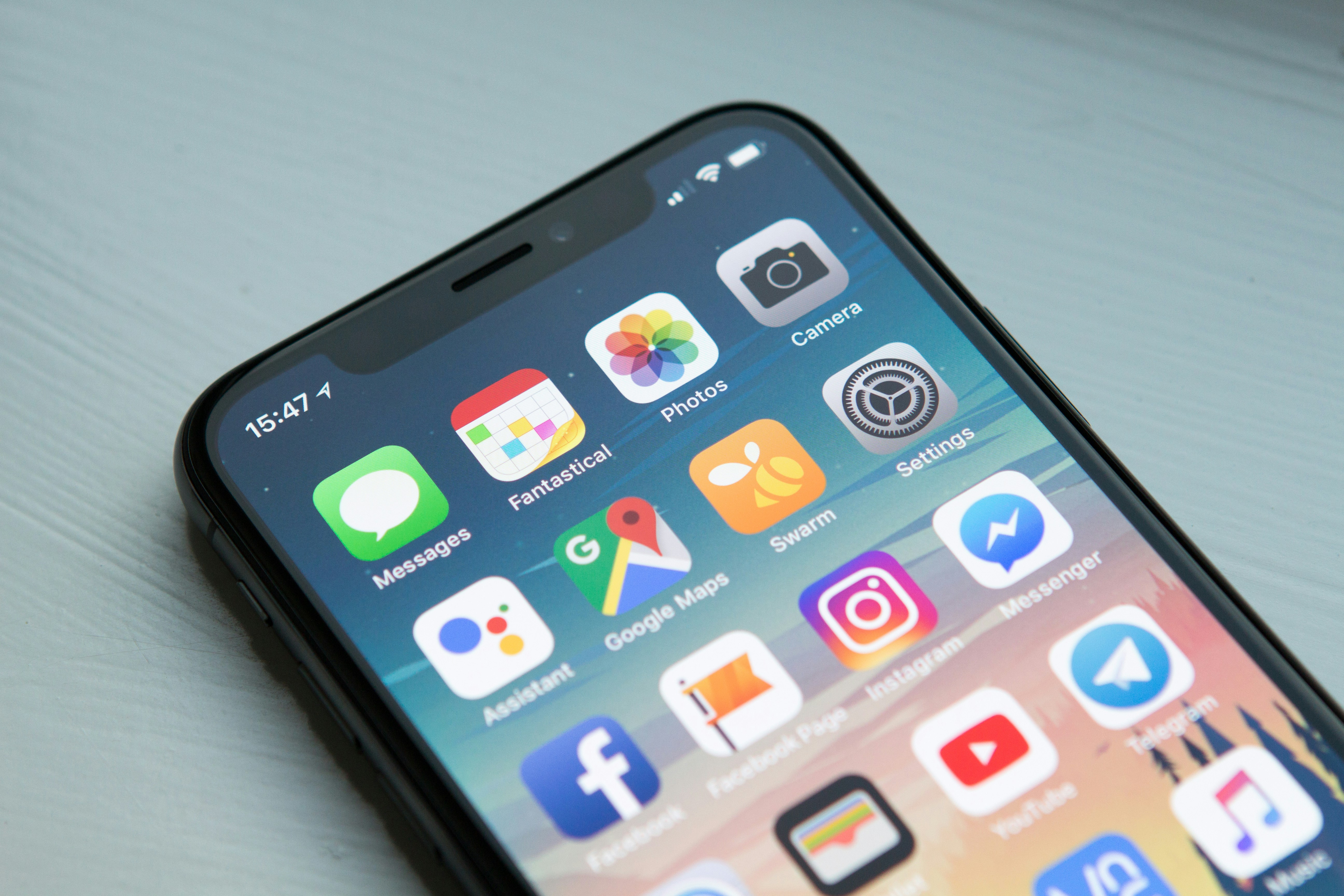
Photo by William Hook on Unsplash
Africa is a mobile-first continent. In countries such as Kenya, 99 percent of internet users access the internet via mobile phones, according to an article by the Communication Authorities of Kenya. As such, developers need to find a way to ensure their applications are accessible through a mobile phone. Feature phones are still king in Africa, even as smartphones quickly catch up. Having solutions for both could also be resourceful.
The mobile phone penetration in Africa is far ahead of the personal computer penetration. If the software is to be used by the general public, having a smartphone/phone version will increase its usability.
An advantage of a mobile version of any software is that these devices are easily portable. Having a mobile application or a web interface that can work well on these devices can ensure seamless groundwork for non-profits.
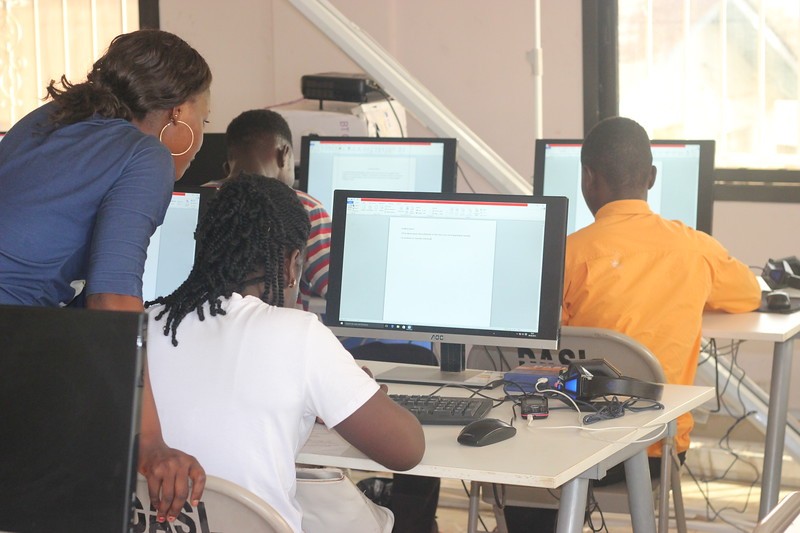
For any software intended for public use, simplicity is a key ingredient to make it usable. Abstracting layers of complexity makes it easy for organizations to onboard new users onto the platform. Even though more and more Africans are getting accustomed to using software, simplicity can make workflows easier.
For public-facing solutions, simplicity of use will ensure that all people from different educational backgrounds can quickly use it. The simplicity of mobile money is a great example.

Africa is home to 54 countries, thousands of languages, and hundreds of currencies. As a developer or software engineer, one needs to understand that these aspects are crucial in crafting solutions for organizations.
For example, if you create a solution for a specific region or group of people, language can be a catalyst for adoption. Another aspect is to ensure that the local context, including currency, is baked into the software. In the case of donations, payout options should also be thought through to make it easier for companies to cash out any donations easily.

Photo by Joshua Aragon on Unsplash
It is always great to have one software that does many things. However, this could be distracting to users who would want to unlock its value as they grow. Having a modular aspect to software offerings can make it easier for organizations and non-profits to adapt easily.
The modular aspect can also be pegged with pricing, to ensure non-profits use and pay for what is essential for them. Most organizations rely on donations, so they might not have much money to spend on unnecessary software. So keep it simple.
We cannot speak about mobile software without roping in mobile payments. It is critical to have an option for donation or payout through mobile money. Having this solution right in the software can make it even easier for organizations to work around receiving and moving funds.
Mobile payment is king in Africa, and it's already eating up the banking sector, where users can open accounts, deposit and withdraw money, and make bank-to-bank transfers all through mobile money.
If an organization makes mass payouts to beneficiaries, such as medical payments, educational sponsorships, or mobile payments, it offers easy payment records that can be consolidated, unlike cash payments.
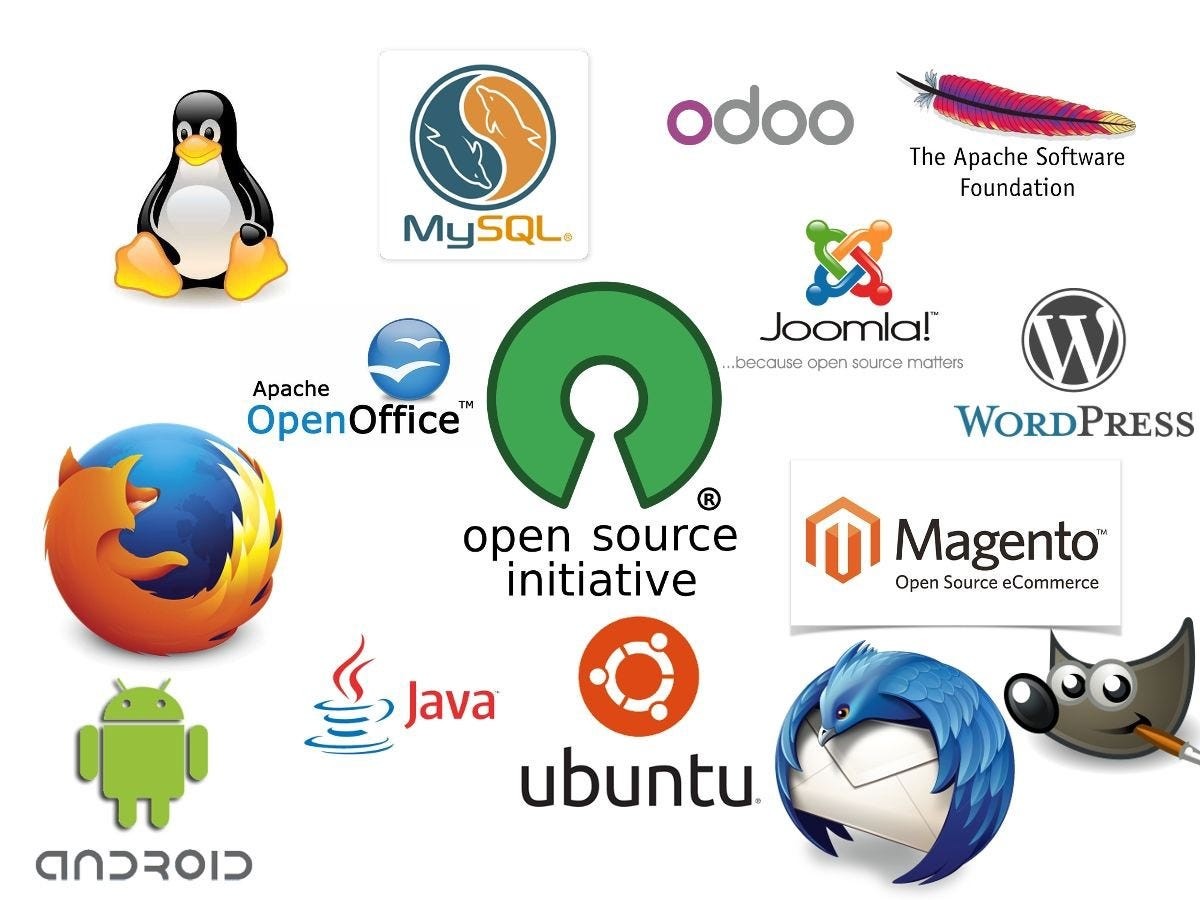
Jay Patel. Various open source software
True to the spirit of collaboration, creating an open-source software project can enable other developers to chime in and build on what has already been made. Diversity enables better products that can serve a wider audience.
Open-source projects have, in the past, enabled developers to craft superior software that has helped many non-profits across the globe. This can be replicated in Africa and ensure that non-profits have access to the best the continent can offer.
If this kind of content resonates with you, follow me for more stories, lessons, and behind-the-scenes insights from the frontlines of nonprofit leadership. And please — like, share, or comment to help this message reach others who care.