Non-Profits and Profits: How Can Non-Governmental Organizations Engage in Business

The core of running a non-profit relies on generous donations from corporations and individuals. The essence of such organizations is to ensure that they can meet their objective without making profits from their work.
However, the landscape has been changing over the years. A 2005 Harvard Business Review commentary states that more non-profits seek ways to generate profits and grow their organizations.
"Earned-income ventures are nothing new in the non-profit sector, of course. For example, charitable organizations have long-run universities, hospitals, and theatre groups. What is new is the breadth of interest. No longer relegated to education, health care, and the arts, revenue-generating initiatives are being launched or considered in virtually every non-profit domain, from human services to housing to the environment," the article said.
In every country, licenses given to non-profits ensure that they are not engaging in gainful activities and help them stay within their tax confines. However, these organizations occasionally require multiple income sources to propel their endeavor forward.

Which begs the questions:
This is probably the best way to ensure that non-profits engage in business within the law. Nonprofits can set up a separate entity solely to increase their funds to support their causes.
This separation of ideology can help organizations take advantage of their opportunities while keeping their original mandate intact. However, it is required that organizations find out what the law says in the regions they operate in and how the two entities can engage seamlessly within the law.
Even so, non-profits need to be careful not to enter predatory business cultures that go against their values. In addition, they need to ensure that the goals and objectives of the new outfit do not eclipse the original intentions of the non-profits.
Creating long-term partnerships with profitable businesses is one of the most popular ways to increase funds for non-profits. This would mean that the companies commit to a set period to support the causes of the non-profit organization.
Even though it is a valued alternative, most organizations might rely on several partnerships instead of one.
A great way to create business partnerships is to ensure that the business goals align with the organization's goals. Even so, see if the company works around the organization's area of expertise in community social responsibility activities.
An article in the Candid Blog states that non-profits have much to offer commercial businesses through partnerships.
It said: "By establishing these policies, businesses work internally and externally to be more responsible stewards. Because consumers demand more transparent and responsible products and services, more and more businesses are creating corporate social responsibility policies. A non-profit could help a business become more profitable and attractive to consumers through a partnership."
Safaricom in Kenya has created one of the most vibrant social organizations in Kenya through its Safaricom Foundation. The strong link between the foundation and its mother company has seen many projects in education, health, and community initiatives, and many more have been launched seamlessly and successfully.

Donations from established enterprises can give non-profits the needed stability. However, non-profits should maintain focus on the impact goals of their organization. It is easy to be quickly roped into the parents' company plan.
To preserve the organization's integrity, it is encouraged that a clear management distance is maintained between the corporation and its non-profit arm.
Social impact projects sit between profitable businesses and community-focused initiatives. As a result, social impact projects or organizations have strong stability as they have figured out how to create a revenue stream while creating significant societal benefits. In the end, the dependency on donations is tamed.
Experts even believe an impact-led organization can lead to faster social transformation.
"Impact-driven businesses make money while making a difference because they impact lives. They, therefore, bridge the gap between economic growth and social development by creating shared prosperity and consequently a better, safer world," Professor Henrietta Onwuegbuzie of Lagos Business School said in an interview with Yale University publication Yale Insights.
Some initiatives that can transform societies are alternative energy, recycling services, organic farming, low-cost health initiatives, and many more. These areas touch the lives of many in the community. Non-profits can opt to create an outfit that does just this.
Additionally, supporting a nonprofit provides tremendous opportunities for fun, morale-boosting activities that give staff and customers a "feel-good".

Over the years, many for-profit businesses and companies have partnered with Develop Africa by donating funds, resources, or in-kind items. Below are some examples:
In-Kind Items

Donated funds have been used to do the following:

Strategic Partnerships or Alliances enable nonprofits to strengthen and expand their programs and services beyond what they can do alone. Partnerships with other nonprofit organizations help each partner do more, reduce overhead costs, and expand their impact.
In several of these partnerships, Develop Africa Inc. has played the role of the "Implementing Partner." This is where another nonprofit organization has come alongside us to help complete part of a project.
Below are some examples of activities done where the implementing partner has been Develop Africa Inc.
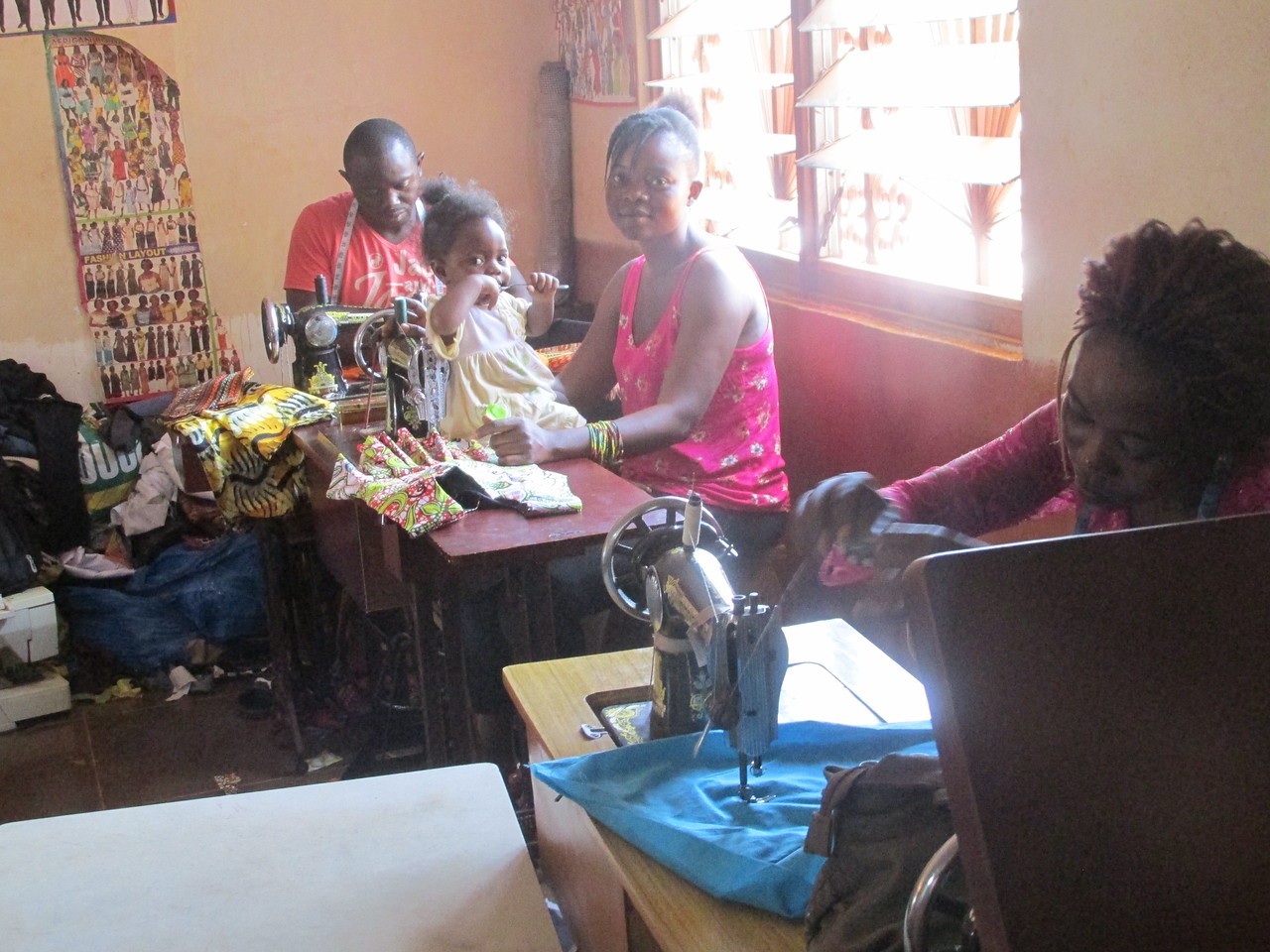
In other partnerships, we have played the "Funding Partner" role, helping to source funds or resources. We have also been able to provide funds to other organizations from grants we have received. This has enabled us to expand our impact into countries where we do not have a presence.
Through these partnerships, we have been able to accomplish the following, for example:
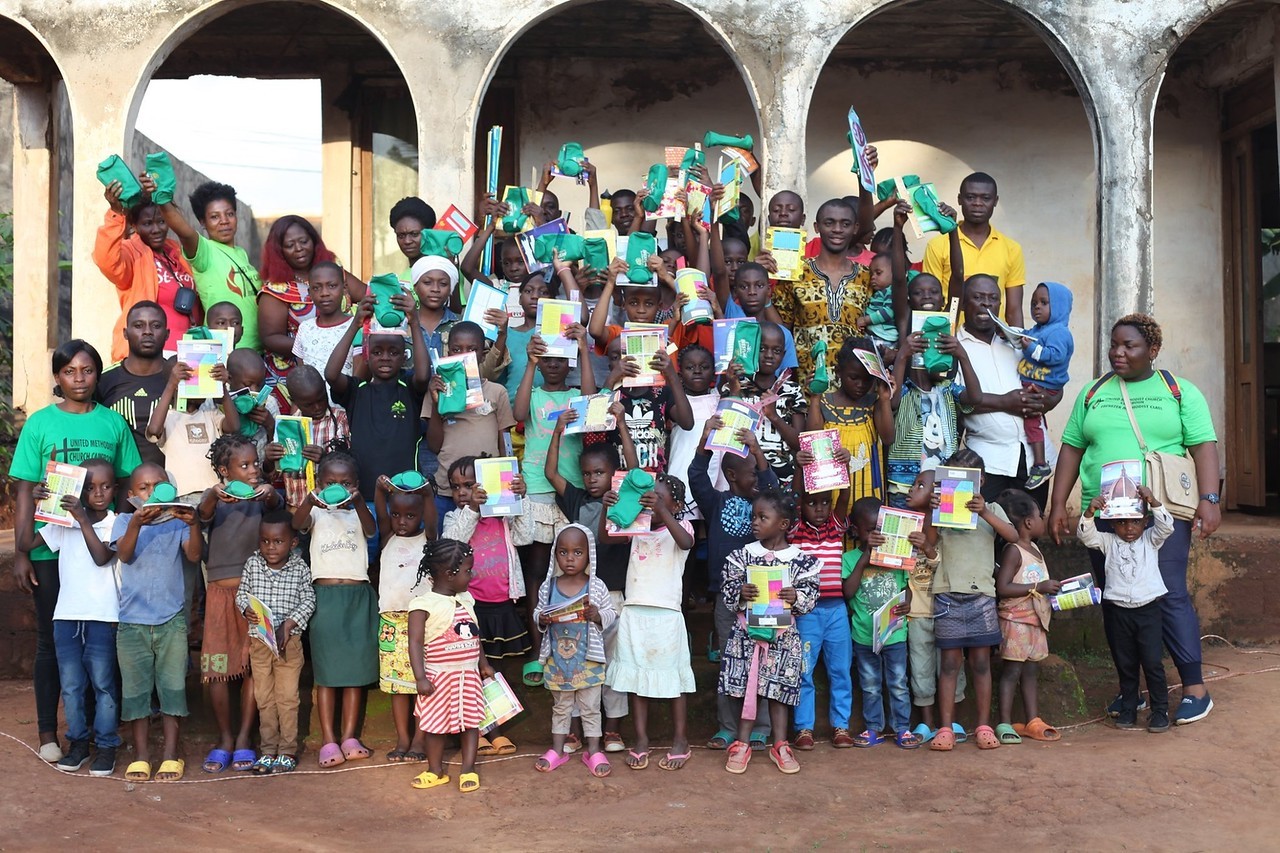
There are several ways you can help – from small, one-off activities to long-term, mutually beneficial partnerships. Here are a few current opportunities:

As stated, non-profits must assess their environment before engaging with corporations or beginning profitable ventures. However, most countries would allow collaboration to enable non-profits to grow their work beyond dependency on donations and well-wishers.
If the social impact of African non-profits is to be felt in a much larger form, it is worth considering.
If this kind of content resonates with you, follow me for more stories, lessons, and behind-the-scenes insights from the frontlines of nonprofit leadership. And please, like, share, or comment to help this message reach others who care.