The Global Literacy Crisis: 771 Million Still Left Behind — and Why Isata’s Story Gives Hope
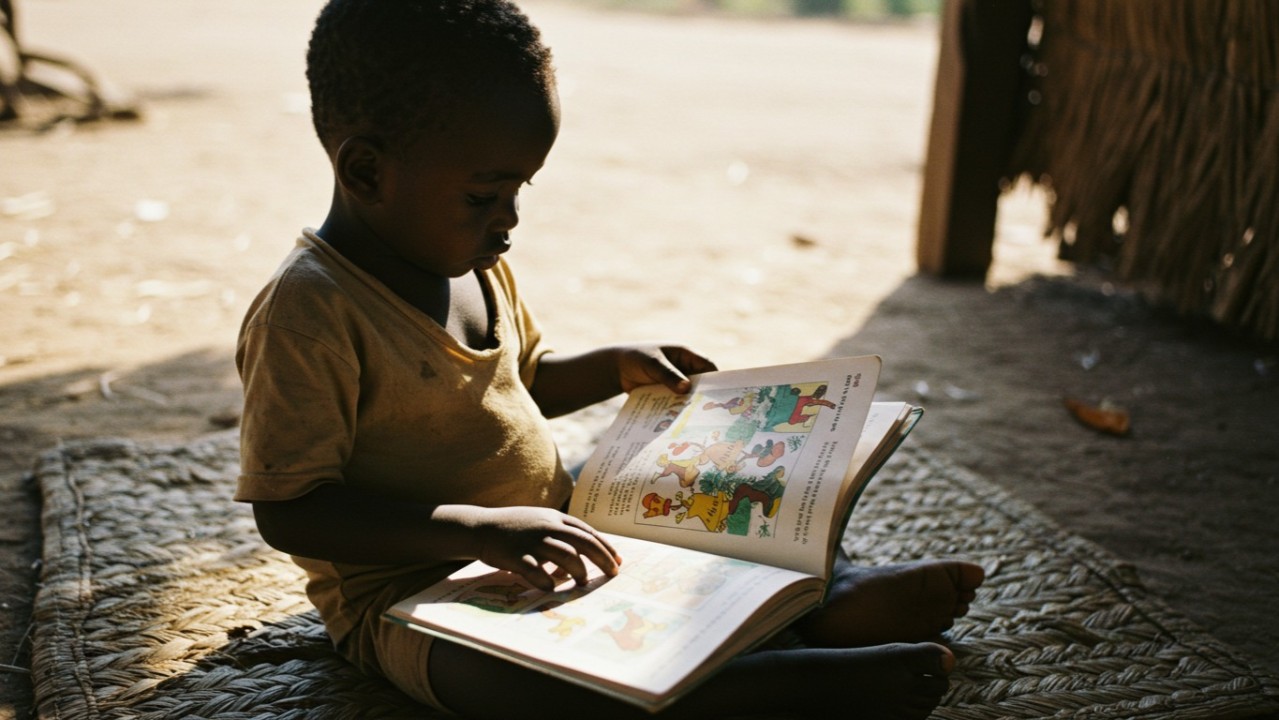
Isata lives in Sierra Leone and comes from a low-income family. Her father left when she was young, and her mother has since raised six children alone.
Isata grew up helping her mother sell charcoal. Her mother never finished school and couldn’t afford to send any of her children to school. Instead, the kids fetched water, cooked, and cleaned.
That changed the day they met Janet, a board member at Develop Africa.
“Isata was 11. She had never attended school,” Janet recalled. “Her mother said she couldn’t pay fees. I asked her to enroll Isata anyway and promised to find a sponsor. That’s how she joined the Develop Africa sponsorship project.”
Thanks to this support, Isata has stayed in school for eight years. She wants to become a nurse. Her progress proves what’s possible when donors step in.
Develop Africa Inc. runs a scholarship program for students like Isata. It provides:
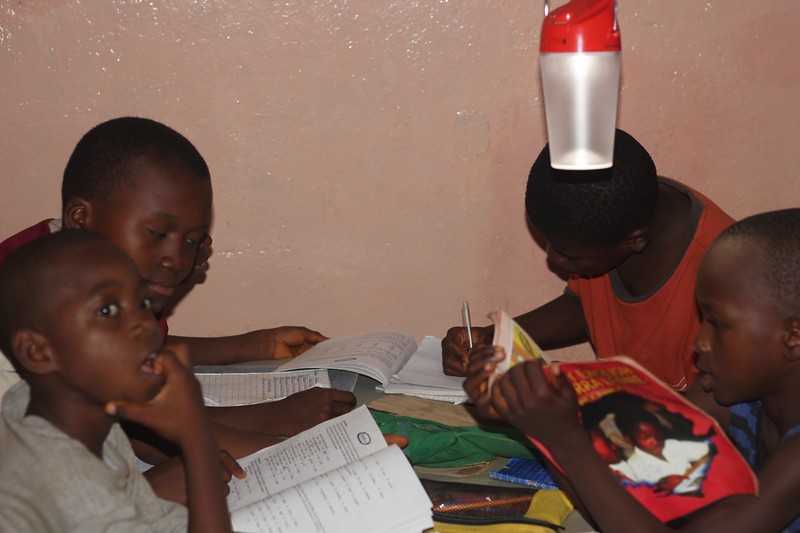
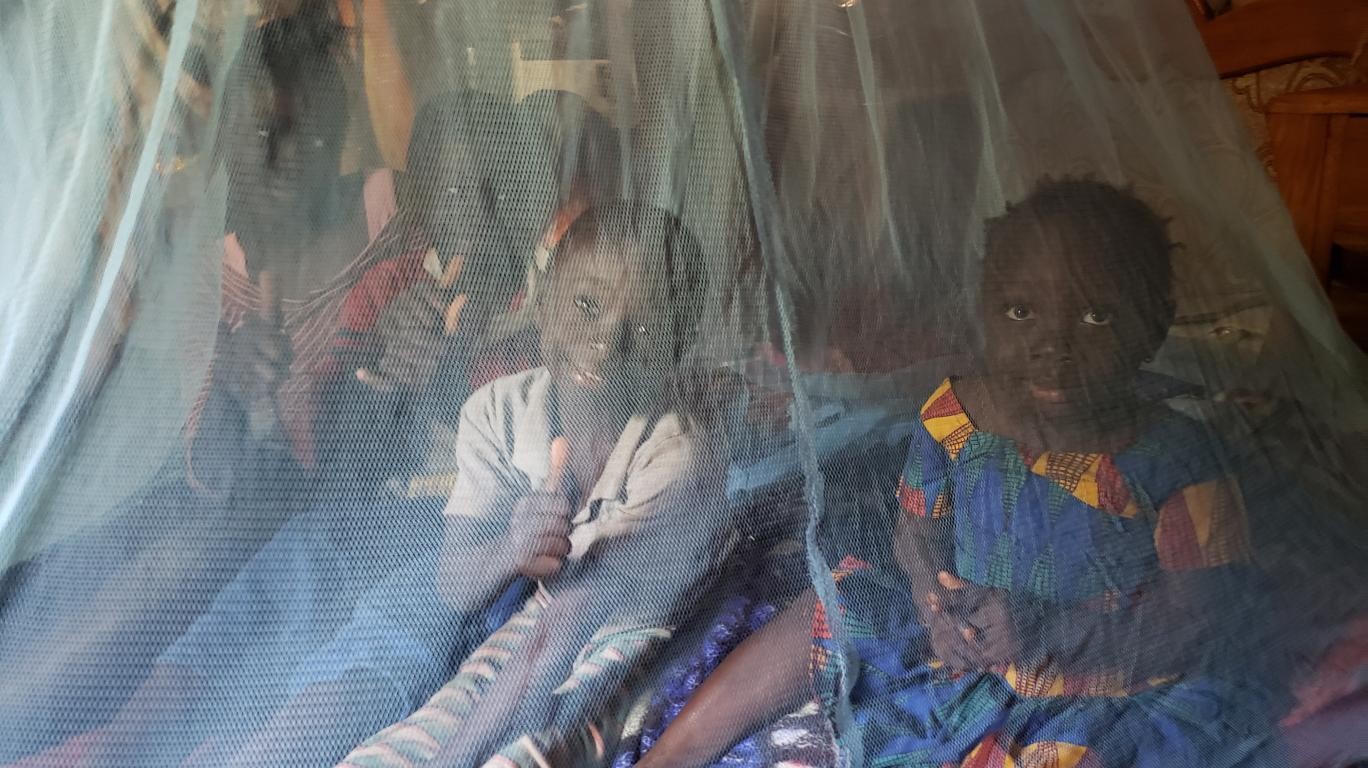
In sub-Saharan Africa, poverty keeps millions of girls out of school. Many never learn to read or write.
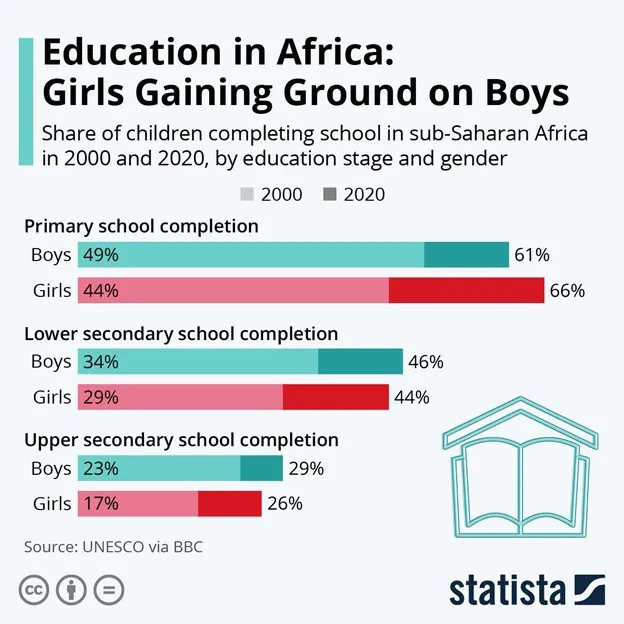
Most dropouts and high school rejects ended up working in the informal school, where there is minimal to no application of reading and writing abilities. In most African countries, conventional literacy measures have yielded higher values than direct testing of literacy. Traditional testing includes using national censuses to ask household members if they are literate or not, while the direct testing method includes testing reading and writing skills (Thompson 2015; Zimmerman and Howie 2016).
There is a drive in most democracies to expand early childhood care and education. Currently, most countries in sub-Saharan Africa have failed to achieve universal primary education by 2015.
In addition, the achievement of universal primary education involves a drive to promote gender equality and empower women. Most African countries aimed at eliminating gender disparity by 2005 and no later than 2015, but have failed to achieve it (Prah, 2017). There is inadequate positive drive in girls' primary enrollment (Smith-Greenaway, 2015).
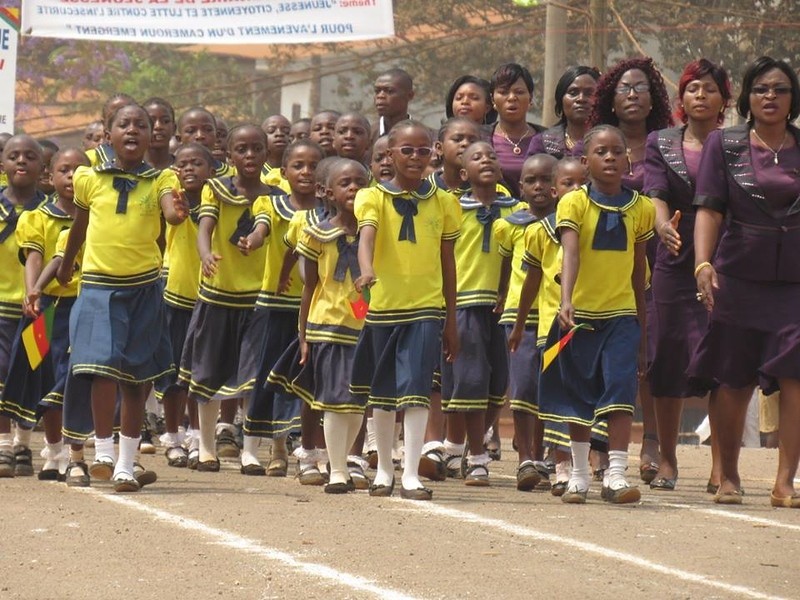
The children from disenfranchised homes are more likely to be excluded. The enrolment is considerably higher for urban children than for those living in rural areas (Lucas et al., 2014).
The progress in sub-Saharan countries with very low indicators has shown that school fees charged in most schools are barriers to school enrollment.
Immigration has also negatively impacted literacy. Most immigrants are refugees running from war-torn countries into mildly stable economies where they increase the burden of illiteracy (Smith, 2015). This includes refugee camps like Dadaab and Kakuma in Kenya.
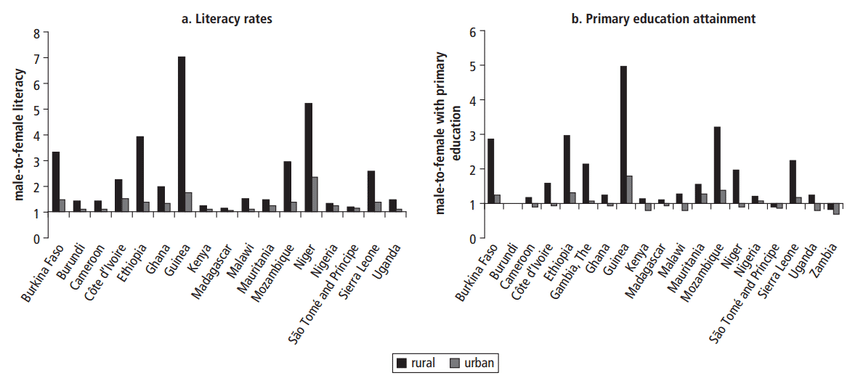
Rural settings also have lower literacy levels than their counterparts in urban environments. Approximately 44% of rural residents have access to education compared to 72% of urban dwellers. This has also been influenced chiefly by cultural practices such as child marriages (Nguyen et al., 2014).
According to UNESCO's 1978 definition of functional literacy, i.e., relevant application of cognitive skills of reading and writing, most African economies still lag in this respect. Countries such as Kenya, which introduced free primary education, did not envision the application of the gained skills.
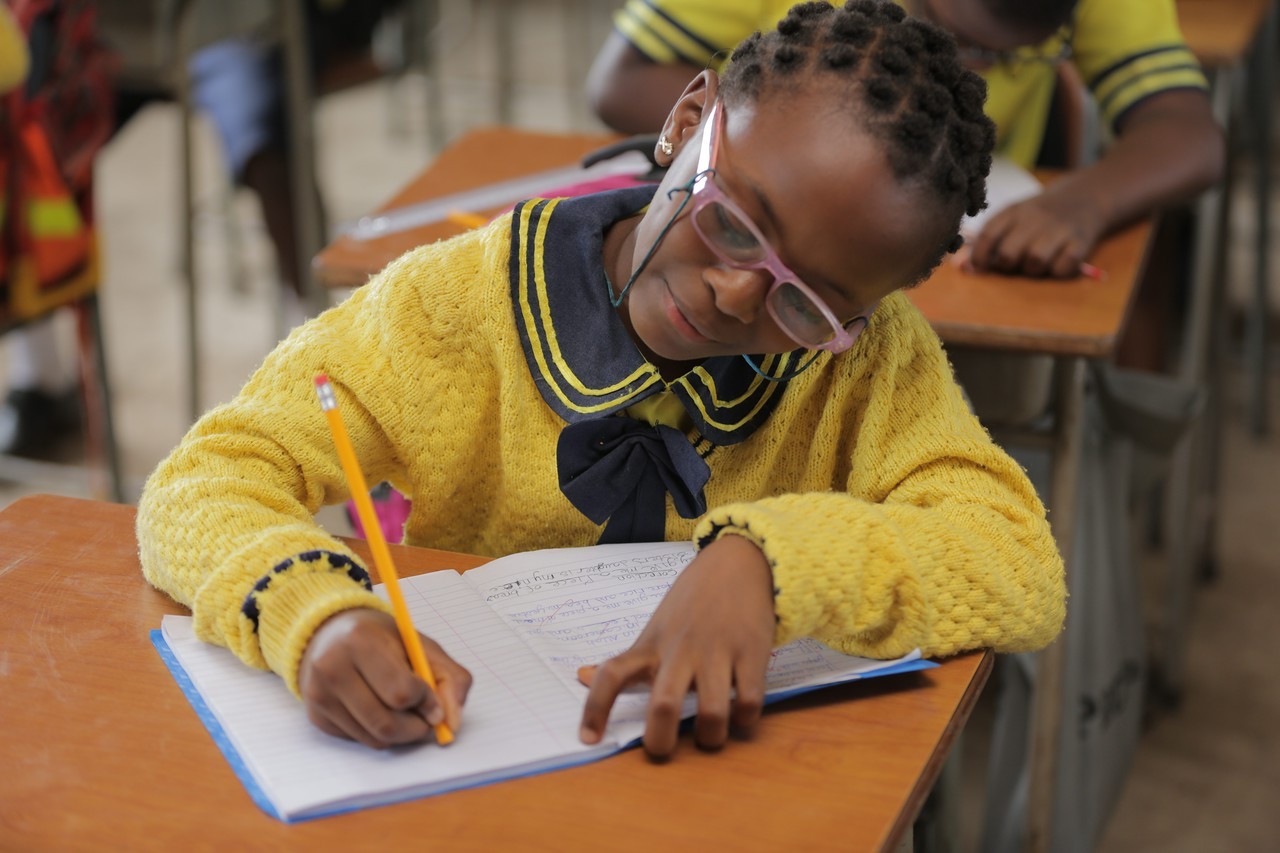
The recommendation as per the goals set out by UNESCO would be to promote the acquisition of universal quality primary education for girls and boys, emphasizing the empowerment of girl children, predicated on social-cultural bias against female education in most African communities.
Reducing school fees for high school and tertiary education would allow more access to education for rural dwellers and immigrants.
Health and nutrition should also be a priority to allow the young to study and acquire the necessary literacy skills. There should also be partnerships with the private sector and national coordination to enhance youth and adult literacy programs in most sub-Saharan countries.
There is a need for developing a good school curriculum with emphasis on the acquisition of relevant and applicable skills in the job market, with a focus on innovation and technological revolution (Serpell, 2014).
The world is currently in a technological revolution, and innovation, as opposed to blind rote learning, will be important in positioning Africa for the next horizon (Mnkeni-Saurombe, 2015).
The role of Develop Africa Inc. is to stimulate development in Africa. Promoting the development of literacy skills is vital. Literacy is a right enshrined in most constitutions in African democracies. It is the foundation for higher learning (Abubakar, 2015).
It has deep self and communal benefits. It aids in a decrease in poverty in African states that have embraced literacy for all (Easton, 2014). It is a right inaccessible to approximately 771 million adults and has been neglected on policy agendas (Welch and Glennie, 2016).
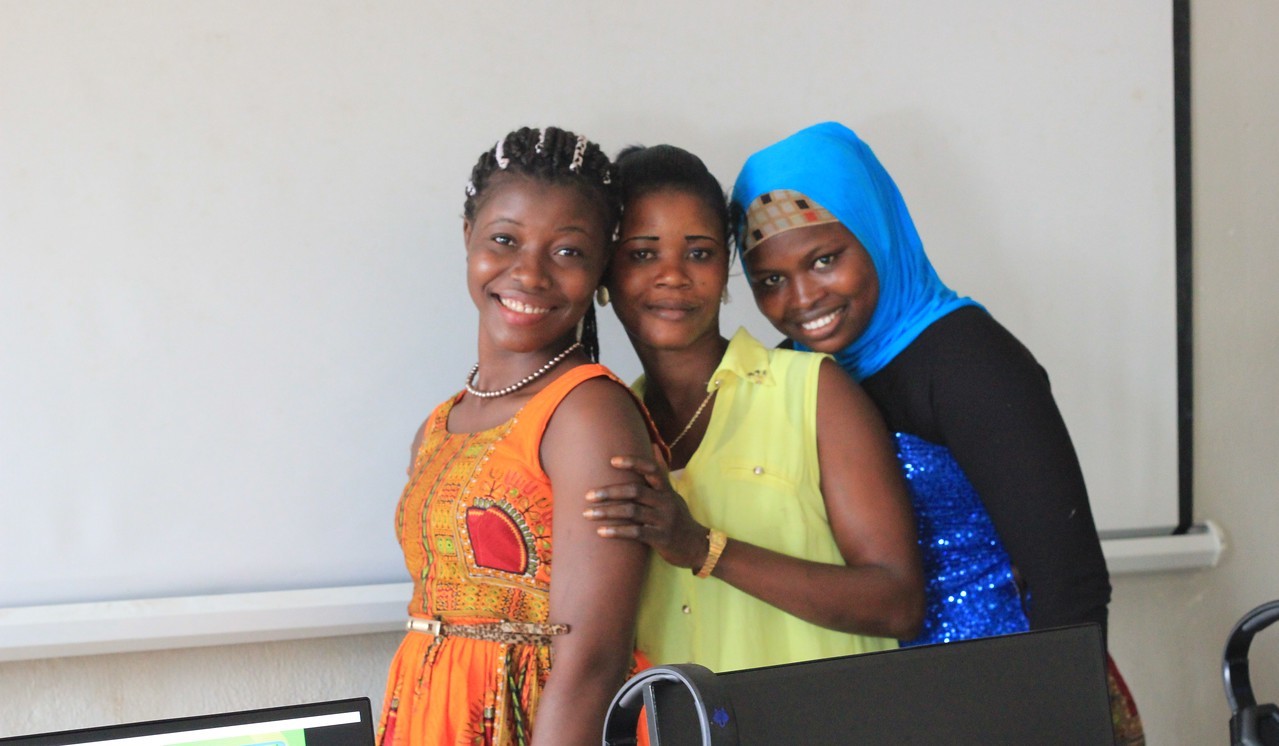
With such a focused initiative, girls like Isata will not only have access to education but also be the building pillars of Africa's industrialization.
Isata started school in the first grade at the Saint Thomas Municipal School in 2009. She was frequently among the top ten pupils in the class. After six years of primary schooling, Isata graduated from Junior Secondary School (JSS) at the Freetown Secondary School for Girls. She has completed senior secondary school.
Isata and her mother are very grateful to Develop Africa Inc. and their donors, whose sponsorship has made it possible for her to go to school. Isata is working hard in her new school to achieve her goals.
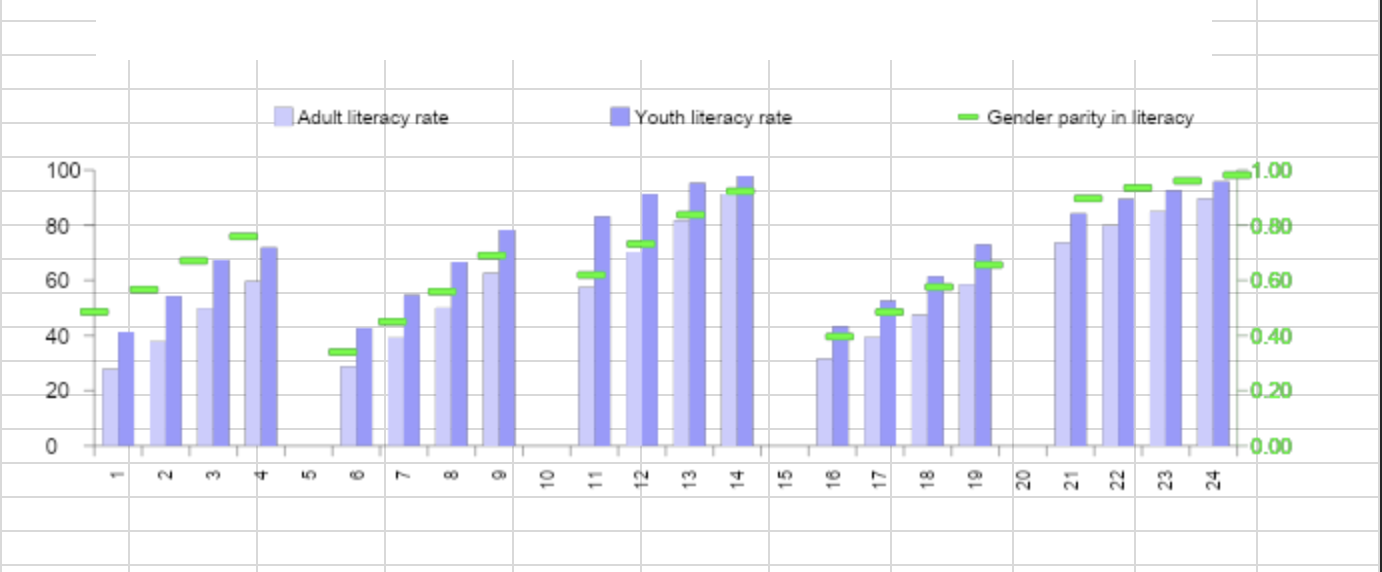
(c) UNESCO Digital Library: Welch & Glennie, 2016. Age group 15-24 has more illetray rate than other age groups.
Literacy opens doors. It reduces poverty. It strengthens democracies. Yet global neglect means 771 million adults still lack this basic skill (Welch & Glennie, 2016), with the age group of 15-24 being consistently higher.
Develop Africa Inc. is working to change that — one child at a time.
With more support, girls like Isata will not just attend school. They’ll shape the future of Africa.
At the heart of it all, change begins with a single step — and sometimes, with a single share or conversation. If this article sparked a thought or resonated with you, I’d love to hear from you. Let’s keep the conversation going.