From One Child to Thousands: Lessons from Building Develop Africa
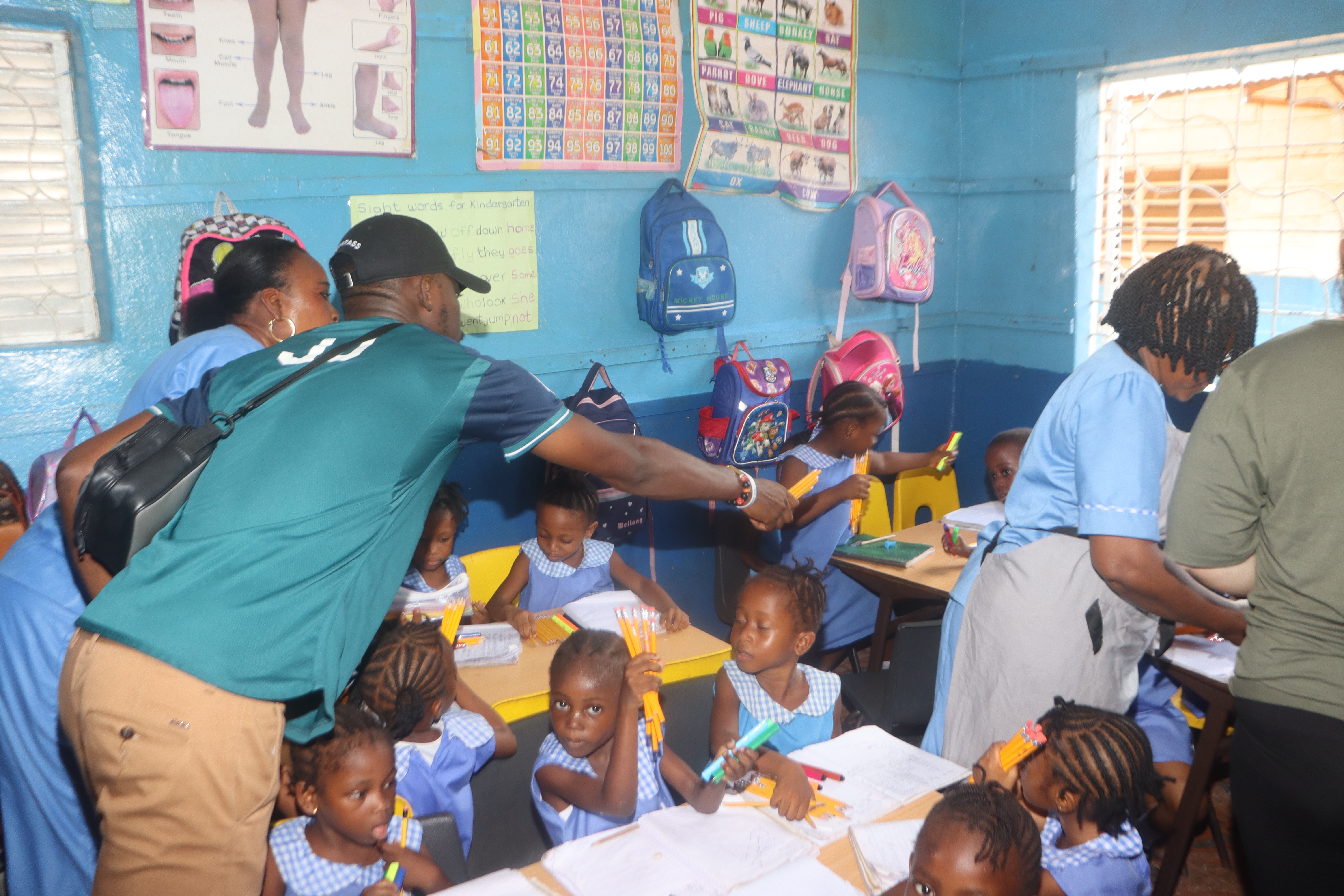
For nearly two decades, I’ve worked on one core problem: how to expand access to education and opportunity for children who would otherwise go without it.
That work started small. No big strategy. No long-term blueprint. Just a decision to help one person.
Over time, that decision grew into Develop Africa, supporting students across Sierra Leone and other parts of Africa through scholarships, mentorship, and digital skills training.
In this interview, I share what that journey has really looked like: the decisions, the mistakes, the pressure, and the lessons that shaped how we operate today.
Before you watch, here’s what you’ll get from this conversation:
The turning point was not dramatic. It was simple.
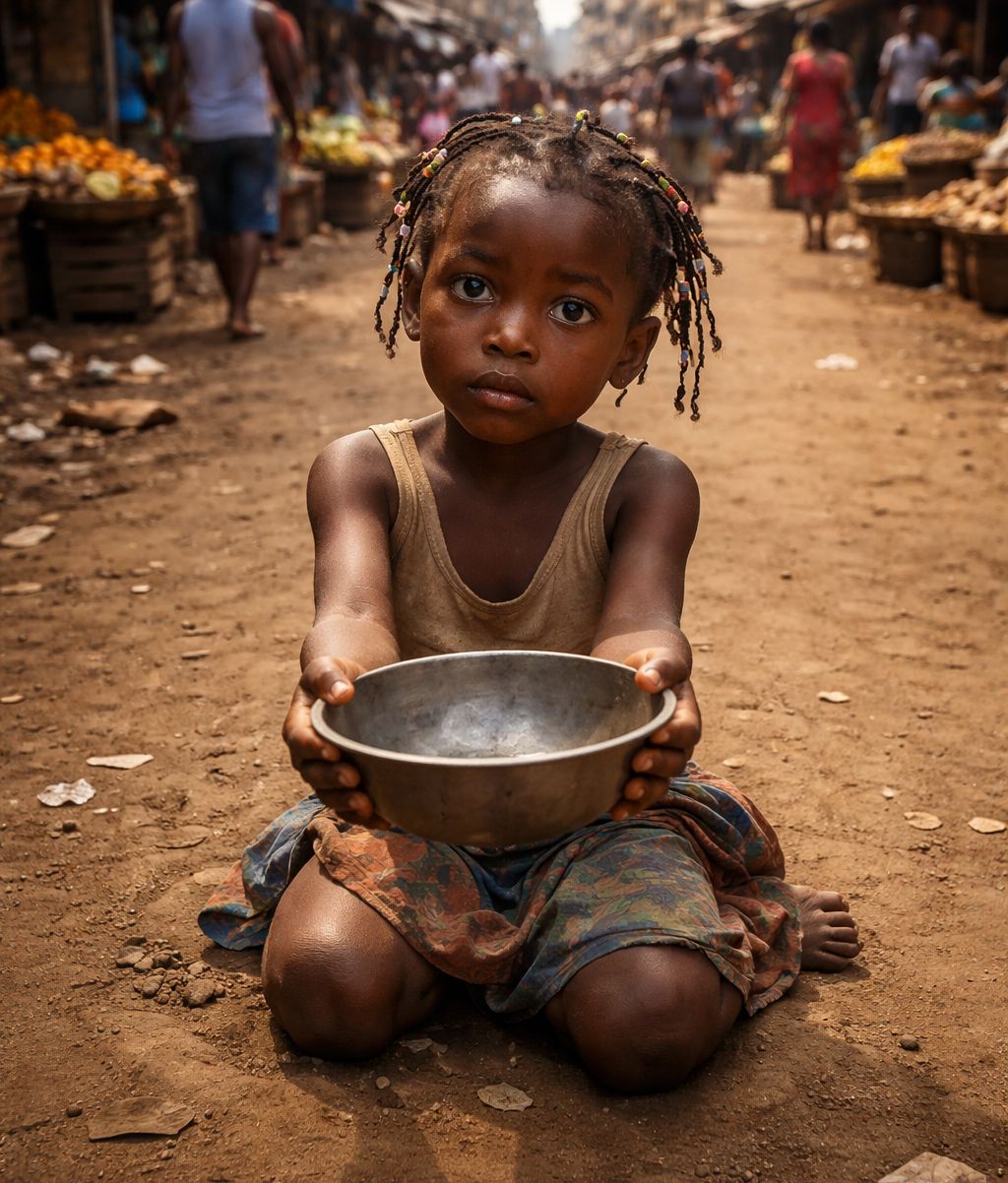
I met a young girl on the street in Sierra Leone asking for money for food. Situations like that are common, but this one stayed with me because it forced a deeper question.
Food would solve the problem for that day. It would not change her future.
What she needed was access to education, to opportunity, to something that could shift her path long-term.
That realization led to one decision: start small and help one person.
That decision became the foundation of everything that followed.
Many efforts in this space are designed around short-term wins. You run a program, measure the output, and move on.
We chose a different model. We stay involved.
When a child enters our program, the goal is not one year of support. The goal is to walk with them until they can stand on their own. That includes covering school-related costs, providing mentorship, and staying connected over time.
We have students we’ve supported for more than a decade. You can track their journey from where they started to where they are now.
That level of continuity is harder to manage, but it produces real outcomes.
We began with scholarships because cost was the main barrier to education.
As we worked with families, other needs became clear. That led us to expand in focused ways:
Each program came from listening, not guessing.
One example is a girl who had never been to school and was selling charcoal to survive. With consistent support, she entered school, completed her education, and later trained in a vocational skill.
That is the model. One person at a time, with long-term commitment.
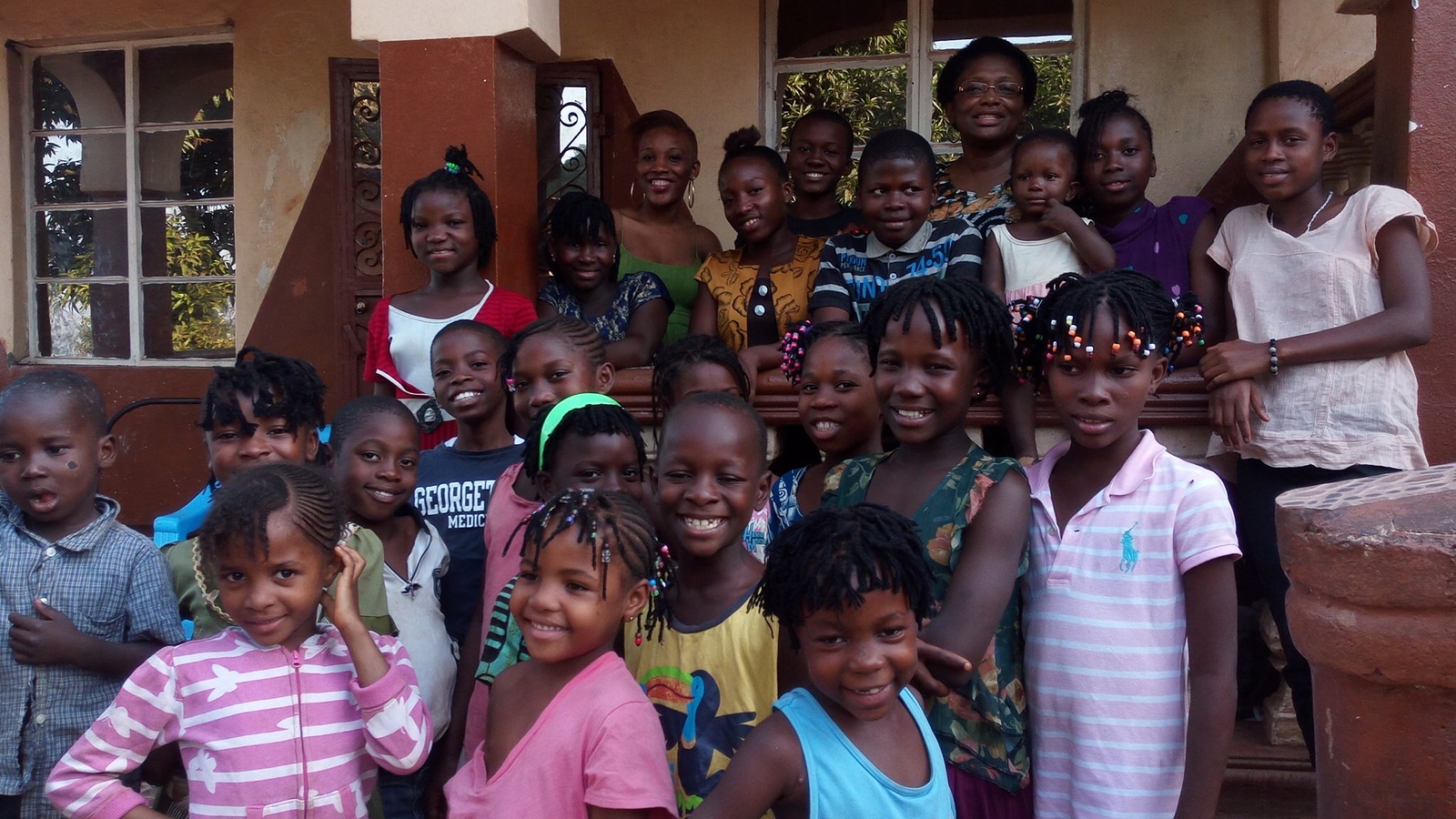
Some of the hardest decisions came during the Ebola crisis.
Families we worked with were directly affected. In one case, both parents passed away, leaving children without support.
We were not set up to run an orphanage, but the need was immediate. So we stepped in and created one.
We cared for 21 children. That meant managing everything: food, health, education, and structure. It stretched our resources and forced us to learn quickly.
After a few years, we made another difficult decision. We transitioned away from the orphanage model and focused on placing the children into family environments.
Many were adopted into stable homes.
That entire period forced growth. It also reshaped how we think about sustainability and long-term outcomes.
A lot of people want to make a difference. Fewer people build something that lasts.
The gap is not passion. It is structured.
If you want consistent results, you need systems. You need clear processes for how work gets done, how decisions are made, and how outcomes are tracked.
Without that, everything depends on you.
With it, the work can scale and continue beyond you.
Most people delay action because they feel unprepared.
That is a mistake.
You do not need to solve a large problem to begin. You need to define a small, clear action and take it.
Once you start, you learn. Once you learn, you improve.
Progress comes from movement.
This work is not easy. There are moments of frustration, pressure, and uncertainty.
What helps is staying grounded in two areas.
First, you need to stay mentally and spiritually strong. The work will drain you if you do not take care of that.
Second, you need to keep learning. Many challenges come from not knowing what to do next. When you learn from others, solutions become clearer.
That combination helps you stay focused over time.
The current environment is challenging for many organizations.
Costs are rising. Funding is tighter. Priorities are shifting.
In times like this, the focus is simple: sustain the work.
That may mean doing less, narrowing your focus, or adjusting how you operate. The goal is to remain stable enough to continue making an impact.
Difficult seasons pass. The key is staying in the game long enough to see the next phase.
This journey did not start with scale.
It started with one decision to help one person.
If you stay consistent, build the right structure, and commit long enough, that single decision can grow into something that changes thousands of lives.
Image of girl: AI Depiction