Overcoming Barriers to Community-Led Development: Strategies for Sustainable Change
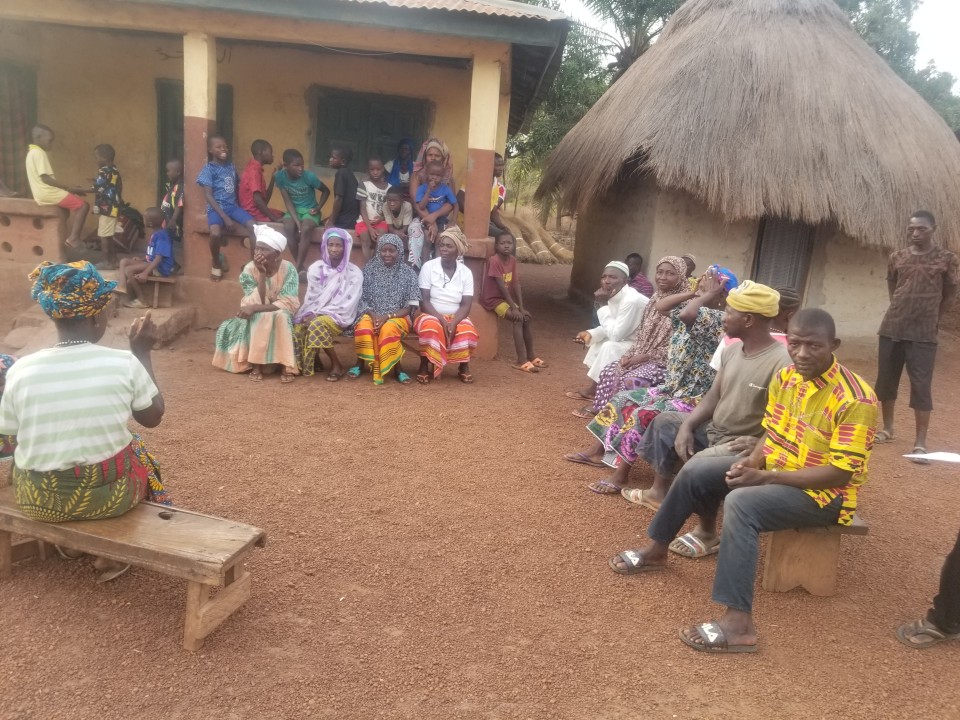
Community-led development is pivotal for empowering people to shape their own futures. When communities drive solutions, the results are more sustainable, relevant, and inclusive. Yet, a host of barriers often stand in the way of these efforts.
This article examines the key challenges facing community-led development and presents actionable policy and implementation strategies to overcome them, ultimately unlocking the transformative potential of communities themselves.
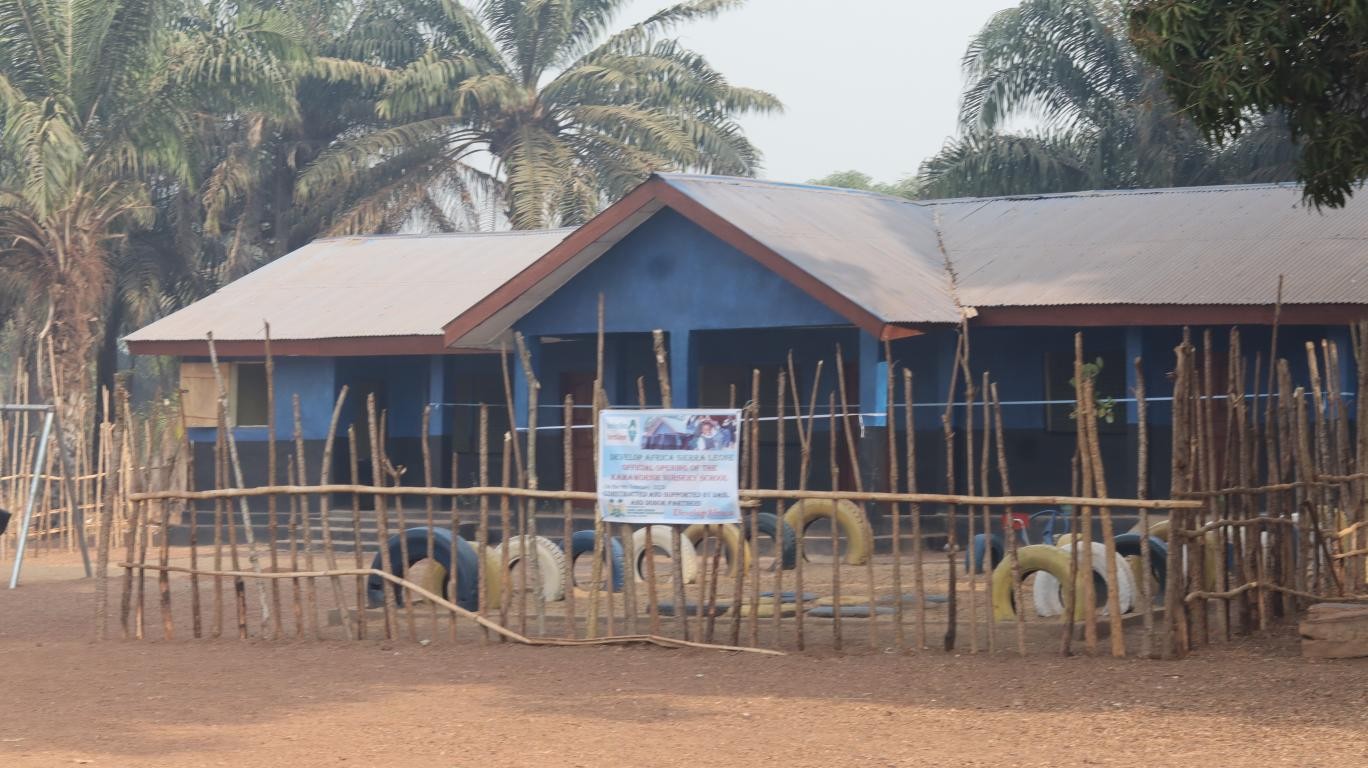
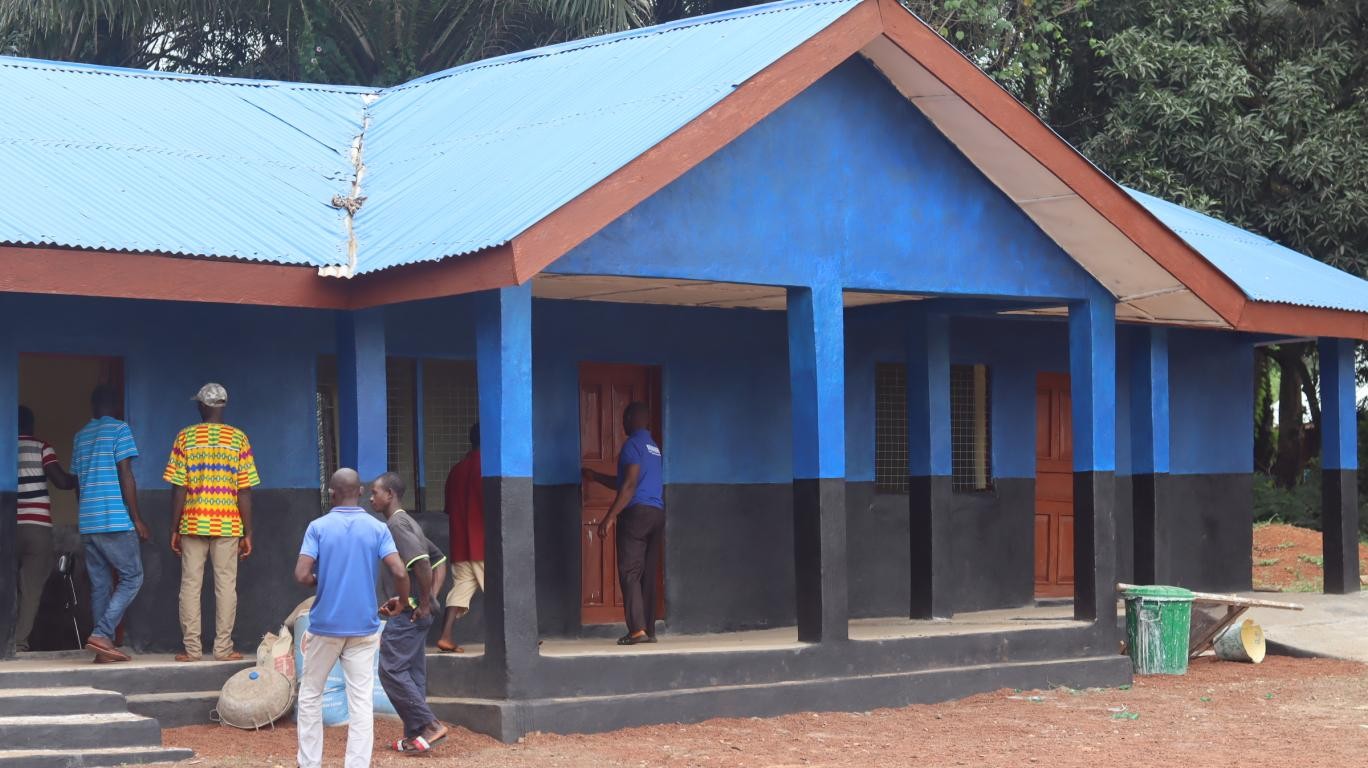
At Develop Africa Inc., we have had the first-hand opportunity to learn and grow throughout the process of collaborating with the Kamawornie community—from shaping the vision and identifying the need for a dedicated learning space, to constructing the classroom and operating the nursery school. This journey has provided invaluable insights into the power of local ownership, the importance of trust-based partnerships, and the collective commitment required to create a nurturing educational environment where young children can thrive.
See the following link for more information - https://www.developafrica.org/construction-kamawornie-nursery-school
1. Lack of Resources: Limited access to financial, human, and technical resources constrains the scope and impact of community-driven initiatives. Sustainable funding and appropriate expertise are crucial for scaling up successful efforts.
2. Institutional Constraints: Complex bureaucratic structures, centralized decision-making, and weak governance mechanisms can undermine community participation and autonomy.
3. Social Inequality: Deep-rooted inequalities — including gender disparities, discrimination, and marginalization — often exclude certain groups from fully engaging 4. Capacity Gaps Limited skills, knowledge, and awareness among community members can hamper their ability to plan, implement, and sustain projects effectively.
5. Lack of Coordination: Fragmented efforts and poor collaboration among stakeholders often reduce the efficiency and impact of community-led initiatives.
6. Power Dynamics and Politics: Internal hierarchies, entrenched power structures, and external political pressures can compromise fair participation and decision-making.
7. Limited Access to Information: Communities often struggle to access timely, relevant information necessary for informed decision-making and effective advocacy.
8. Cultural and Language Barriers: Differences in language, norms, and traditions can inhibit collaboration and mutual understanding, making cultural sensitivity critical.
9. Environmental Factors: Challenges such as natural disasters, climate change, and limited infrastructure can disrupt or hinder community development efforts.
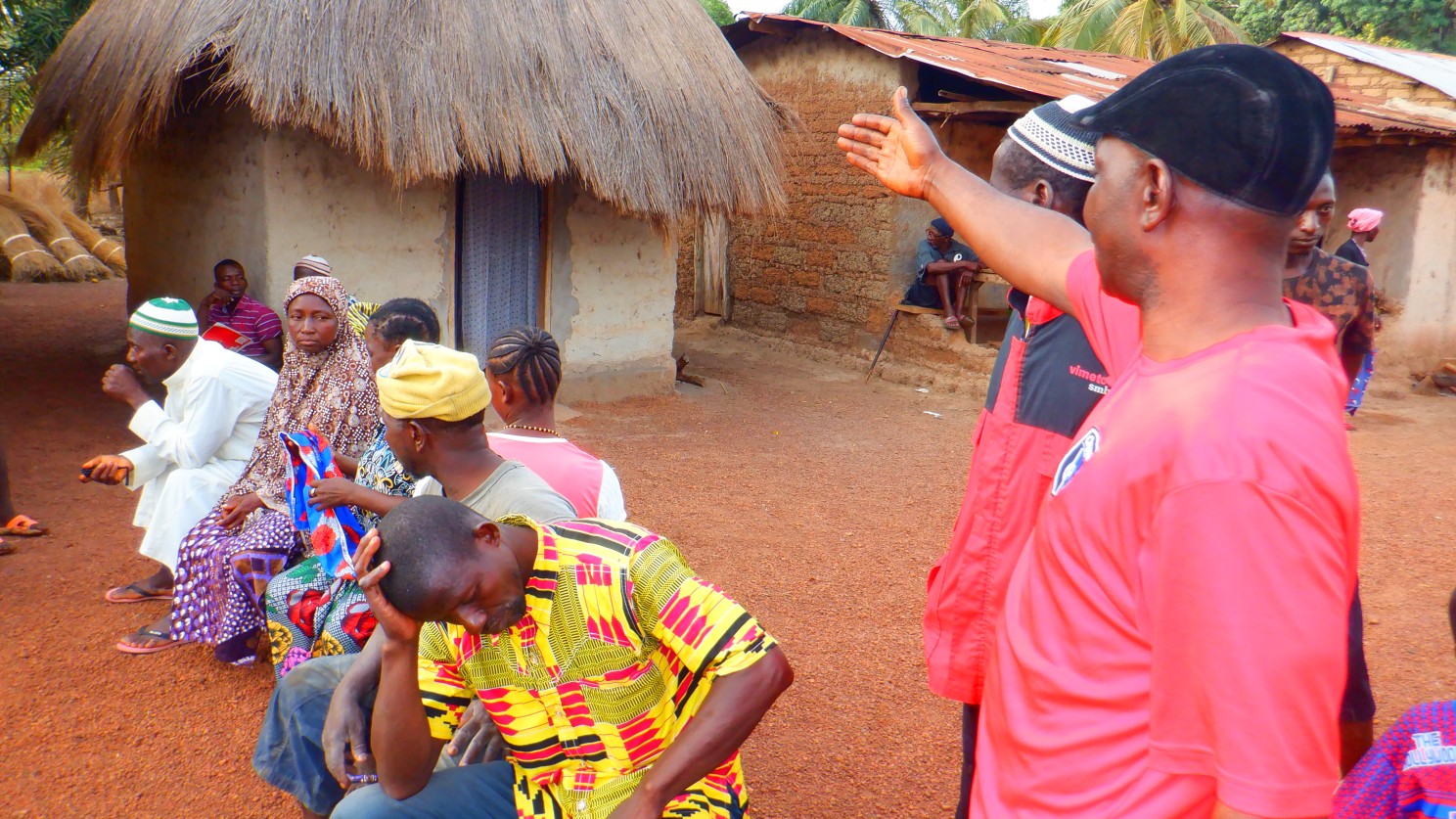
10. Resistance to Change: Fear, skepticism, or a lack of understanding can cause some community members to resist new initiatives, requiring thoughtful engagement to build trust.
11. Legal and Regulatory Barriers: Complex laws, unclear land tenure, and regulatory hurdles can impede progress and ownership of local initiatives.
12. Lack of Data and Evidence: Without reliable data, communities and stakeholders struggle to make evidence-based decisions and measure progress.
13. Limited Connectivity and Infrastructure: Poor access to electricity, transport, and internet connectivity restricts the flow of information and resources.
14. Short-Term Funding Cycles: Short-term grants and shifting donor priorities often make it difficult to sustain long-term initiatives and planning.
1. Enabling Legal Frameworks: Governments should develop policies that recognize and support community-led development, emphasizing decentralization, devolution of power, and protection of community rights.

Photo by Shane Rounce on Unsplash
2. Access to Resources: Dedicated funding, technical support, and tailored capacity-building must be prioritized for locally led initiatives.
3. Strengthening Institutions: Reforming bureaucratic systems, promoting transparency, and establishing formal channels for community participation will empower local stakeholders.
4. Social Inclusion: Policies must address inequality by promoting gender equality, countering discrimination, and ensuring marginalized groups have a seat at the table.
5. Knowledge and Skills Development: Investing in education, training, and awareness programs fosters self-reliance and resilience.
6. Multi-Stakeholder Collaboration: Governments, NGOs, the private sector, and communities should forge partnerships to share responsibilities and pool resources for greater impact.
1. Participatory Planning: Engage communities at every stage—from design to evaluation—to ensure initiatives reflect their priorities and aspirations.
2. Communication and Awareness: Establish clear, accessible channels to share information, gather feedback, and raise awareness through diverse media and outreach.
3. Capacity-Building Programs: Offer training in project management, financial literacy, leadership, and advocacy to strengthen local capabilities.
4. Social Capital Development: Encourage trust, cooperation, and collective action through platforms that promote dialogue and shared responsibility.
5. Inclusive Governance Structures: Establish governance mechanisms—such as community assemblies and participatory budgeting—that reflect diverse perspectives and promote accountability.
6. Knowledge Exchange and Learning Networks: Facilitate cross-community learning through exchanges, study tours, and knowledge-sharing platforms.

7. Advocacy and Policy Influence: Equip communities with skills to advocate for their interests and engage effectively with decision-makers.
8. Monitoring and Feedback Mechanisms: Develop processes to track progress, gather feedback, and adapt strategies as needed.
9. Integration with Local Development Plans Align community-led initiatives with broader development plans to enhance sustainability and impact.
10. Strengthening Partnerships: Collaborate with civil society organizations and private sector partners to leverage expertise and resources.
11. Long-Term Funding and Resource Mobilization: Explore diverse funding sources, including public-private partnerships, crowdfunding, and impact investments, to secure sustained support.
12. Conflict Resolution and Mediation: Provide tools and training to address conflicts constructively and promote peaceful dialogue.
13. Mainstreaming Gender Equality: Embed gender equality throughout development processes, ensuring women’s voices and leadership are prioritized.
14. Leveraging Technology and Innovation: Use digital tools and platforms to improve communication, information access, and project management.
15. Continual Learning and Adaptation: Foster innovation and adaptive management to respond effectively to emerging challenges and opportunities.
16. Monitoring and Evaluation: Implement rigorous systems to measure impact, learn from successes and failures, and improve over time.
17. Sustainability and Long-Term Support: Build local ownership, promote income-generating activities, and cultivate networks for ongoing collaboration.
Overcoming barriers to community-led development requires a multi-faceted approach that bridges policy gaps, strengthens implementation strategies, and champions the leadership of local communities.
Through effective policies, sustained funding, capacity building, and collective action, communities can transform their futures. By unlocking their potential, we pave the way for development that is not only sustainable and inclusive but also transformative, rooted in the power, aspirations, and resilience of the people themselves.
I’d love to hear from other nonprofit leaders or CSR professionals—what strategies have you found most effective in building sustainable impact? Let’s connect and learn together.
If you’d like to help us equip more students with tools to learn, please consider donating or reaching out to explore partnership opportunities.
Join us in making a difference at www.developafrica.org